
The Big Picture
Forty employees sharing the same LinkedIn caption looks like corporate marketing. Forty employees sharing forty AI-generated versions of that caption might look better, but the content is no more authentic. Change the wording and you still have one perspective.
That’s the real problem with employee advocacy in B2B. Companies want employees to amplify their content, build credibility and reach audiences that corporate accounts struggle to engage. When advocacy turns into pushing approved marketing messages through personal profiles, it erodes the trust it was supposed to build.
The fix is a better way to scale it, one that combines individual expertise, AI assistance, sensible governance and measurement tied to business results. The goal is to give 40 people something worth saying.
Why Do Identical Employee Advocacy Posts Undermine Trust?
Identical employee advocacy posts undermine trust because buyers see the same words from several people at once, and it reads like an ad instead of a recommendation.
Customers raise this on their own. During a recent Oktopost demo, a marketing leader at a financial services firm cut in with a question:
“How do you prevent everybody picking post one just because it’s default? It just looks fake.”
A security company told us its employees publish whatever copy they’re handed. A global law firm wanted to avoid “spraying out a lot of duplicative posts.” A healthcare advisory firm admitted its people repost company content without adding much of their own. None of them doubted that employee advocacy works. They wanted to know how to keep it credible once dozens of people are posting.
The cause is network overlap. A buyer often follows several people at the same company, especially people in similar roles or the same industry conversations. When those people all post the same caption, the buyer notices. What should read as several independent professional opinions turns into one corporate message spread across several personal profiles. The content might still be relevant, but the recommendation stops carrying weight.
Employees can and should share company announcements and approved content. Advocacy works when it amplifies the people behind the brand, so each share needs to add something beyond one more round of distribution.
Is AI Making Employee Advocacy Less Authentic?
AI makes employee advocacy less authentic when it changes the wording and leaves out the employee’s perspective.
Hand an AI assistant one corporate announcement and it will give you dozens of captions with different wording, structure and tone. If none of them contains anything the employee actually thinks, the authenticity problem is still there. One marketer at an IT services company described seeing “the most AI-written generic comments ever” across professional conversations. AI didn’t cause that. Content with no experience or judgment behind it did.
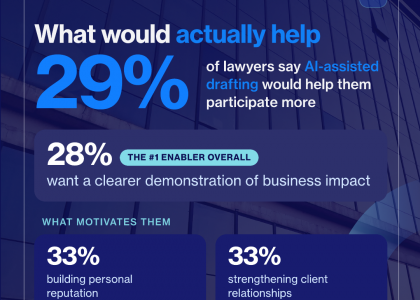
AI still has a real job here. Plenty of employees know their field well but lack the time, confidence or practice to turn that knowledge into a good LinkedIn post. AI gets them past the blank page and helps them structure what they think. An engineer can use it to explain a technical development to a wider audience, a salesperson to turn something a customer said into a useful takeaway, and an executive to get an opinion into shape without losing an hour to writing.
The line is where the substance comes from. AI can shape an experience or opinion, and the employee has to supply it. Used that way, AI gets more people contributing something worth reading, which matters more than producing more posts.
For more on this, read Why AI is Killing B2B Authenticity and How to Fix It.
How Do You Scale Authentic Employee Advocacy Without Everyone Sounding the Same?
You scale authentic employee advocacy by keeping centrally managed content and making it easy for employees to add their own perspective to it.
Asking every employee to become a professional writer would create extra work and inconsistent messaging, and in regulated industries it adds compliance risk.
Here are five changes that make real participation easier:
1. Give Each Role Its Own Angle
One announcement means different things to different people. A salesperson might explain how a new product solves a customer problem. An engineer might talk through the technical challenges behind it. A customer success manager might describe what changes for existing customers, and an executive might tie it to a wider industry trend.
All four share the same news, and each brings their own expertise to it.
So, skip the step where marketing writes one caption and AI rewrites it 40 times. Start by working out why the announcement matters to each role and its audience. When each variation is segmented per role, that personalization gives people different reasons to engage, which is worth far more than different phrasing.
2. Make Personalization the Easiest Option
Employees are busy. If the fastest way to take part is to pick the suggested caption and hit publish, many will do exactly that, and that’s a process design issue more than a motivation issue.
Keep the suggested content, and make adding a personal take quick. A few prompts help:
What would you tell a customer about this?
Why does this matter to your industry?
What surprised you about this announcement?
What have you experienced that supports or challenges this idea?
One relevant observation can turn a routine reshare into something people read. And if an employee has nothing to add on a particular announcement, it’s fine for them to skip it. Knowing when you have nothing useful to say is part of being authentic.
3. Let AI Handle the Writing Friction
AI-assisted writing helps employees turn their ideas into clear posts without starting from scratch. An employee might jot down a short observation about a customer challenge and ask AI to build it into a LinkedIn post. Another might use it to simplify technical language or loosen up a stiff draft. Either way, the perspective comes from the employee and AI helps with the expression.
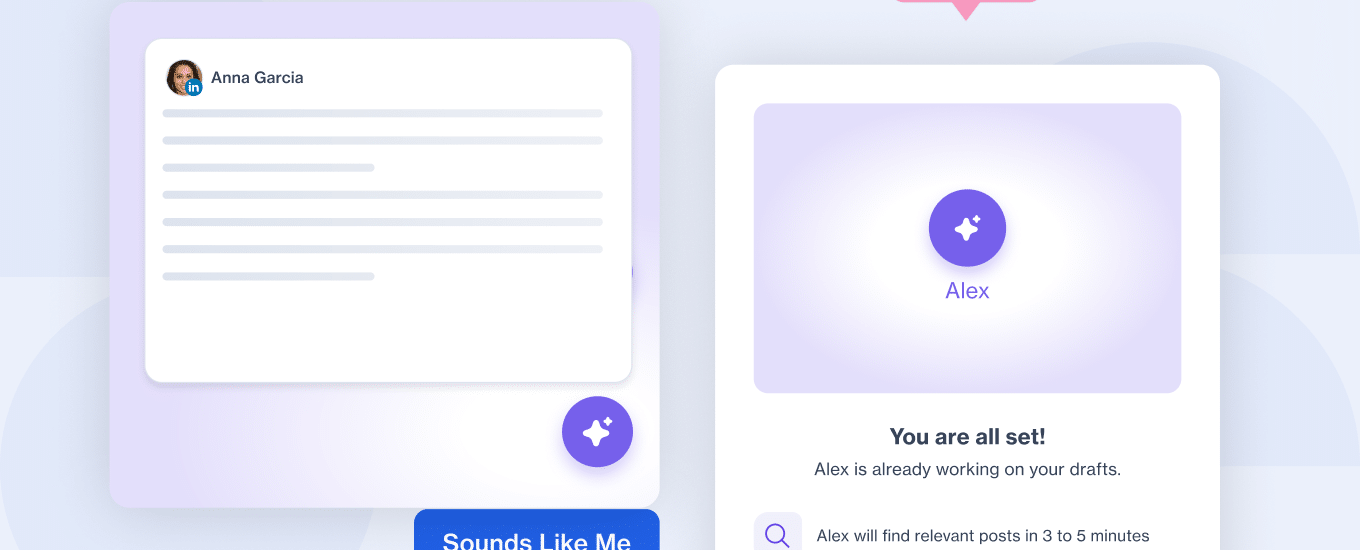
Oktopost’s AI Assistant supports content creation and variations, so employees can develop suggested posts with less effort. The Advocacy Agent adapts suggested posts to each employee’s own voice, and the employee still decides what goes out.
An Advocacy Agent draft in the employee’s voice, waiting for their review.
Employees should review, personalize and own everything they publish. Software can make participation easier, and the experience still has to come from the person.
4. Make Governance an Enabler of Participation
People often treat authenticity and governance as opposing forces. In a well-run program they work together.
A financial services employee has to stay within regulatory requirements. A lawyer has to think about confidentiality. A healthcare professional may face strict rules on claims and disclosures. Their posts can still sound like a person wrote them.
A structured employee advocacy program lets marketing and compliance teams supply approved content, guidance and the right review steps while leaving room for employees to add their own perspective. How much room depends on the organization and its regulatory obligations. In every case, good governance gives employees the confidence to use their voice within the rules.
5. Get Executives to Demonstrate What Good Looks Like
If senior leaders only repost corporate announcements, employees won’t feel much push to do anything different.
Executives set the pattern by sharing opinions, explaining decisions, discussing industry developments and joining relevant conversations. Several organizations we’ve spoken with see stronger engagement on executive posts than on similar posts from their corporate accounts.
One marketer put it simply:
“When he posts stuff it does really well.”
Executive posts won’t always beat other employees’ posts, since audience fit, content quality and professional credibility all play a part. Visible leadership does set the expectation that advocacy means contributing what you know.
Oktopost’s CEO LinkedIn Strategy Guide covers how leaders can build a stronger presence.
How Do You Measure Whether Employee Advocacy Is Actually Working?
You measure whether employee advocacy is working by tracking whether it reaches the right people and leads to pipeline, on top of how often it gets shared.
Authentic posts matter, but authenticity is a means. B2B companies invest in advocacy to strengthen relationships, build credibility and grow revenue, so a count of how many employees shared a post tells you very little on its own.
Shares, reach, clicks and engagement are still useful signals of participation and visibility. They don’t show whether advocacy reaches the right people or moves the business.
A program that generates thousands of shares might barely touch potential buyers, while a handful of employees could be in real conversations with decision makers at your most important accounts.
Better questions are:
Are employees reaching relevant audiences?
Do people from target accounts engage with their posts?
Does that engagement lead to website visits, new relationships or sales conversations?
Can social activity be connected to opportunities and revenue?
Oktopost treats employee advocacy as part of a broader B2B social media strategy, connecting social engagement with CRM and marketing automation data so companies can see where advocacy shows up in the buyer journey.
Pipeline attribution from social engagement, by account and opportunity.
An employee’s post might not produce a lead right away. It could introduce a buyer to the company, reinforce credibility during an evaluation, or keep a relationship warm until it becomes an opportunity.
Not every contribution can be attributed directly, and correlation isn’t proof of causation. Still, tying social engagement to accounts, contacts, opportunities and revenue gives you a far more useful commercial picture than share counts.
Judge advocacy by whether it builds the relationships and trust that grow the business.
What Should You Look for in an Employee Advocacy Platform?
Look for an employee advocacy platform that covers personalization, governance and B2B measurement along with content distribution.
If all you want is the same content on more LinkedIn profiles, almost any basic sharing tool will do. A sustainable B2B program needs five things from its platform:
Relevant content distribution: Employees find content that fits their roles, interests and professional audiences.
Personalization and AI assistance: Employees can add their own perspective without starting from scratch.
Governance and compliance: Controls, approvals and policies that match your organization.
Employee participation: Steady involvement without extra admin work.
B2B measurement and attribution: Advocacy activity tied to engagement, accounts, opportunities and revenue.
Oktopost’s Employee Advocacy Platform sits inside a broader social media management and measurement platform, so companies can grow participation, keep governance in place and see how employee engagement affects business performance – all in one place.
The Oktopost Advocacy Board puts approved content in front of employees, ready to personalize.
In Summary: Say Something Worth Saying
Forty employees sharing the same announcement can be fine. Forty employees sharing it with nothing of their own added is a missed opportunity, and 40 different AI captions won’t fix that.
The companies that get advocacy right will pair the efficiency of technology with the credibility of individual expertise, back it with sensible governance and measure it against real business results.
Their employees will be visible, credible voices in the conversations their customers care about.
Your employees should sound like 40 people worth listening to.
To see how it works, contact us to request a demo.
The post When 40 Employees Share the Same LinkedIn Caption, Nobody Believes Any of Them. Here’s 5 Ways to Fix It appeared first on Oktopost.